Why You Should Make Sure the Building You’re Buying In Has Strong Reserves
If you are not buying a single-family home, one of the most important things to pay attention to is the building’s reserves.
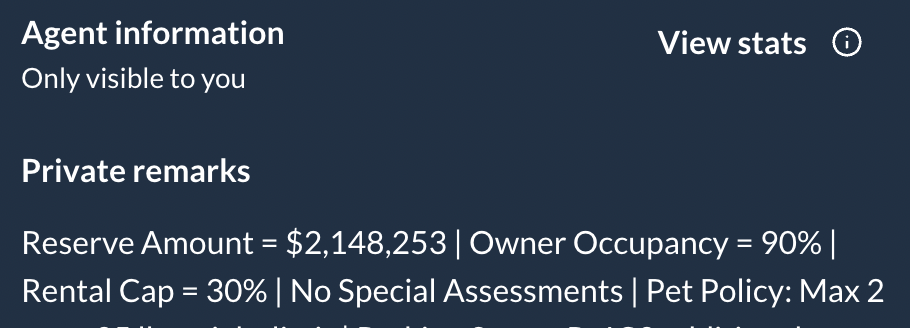
Reserves are the money an HOA has saved specifically for future repairs and major expenses. This fund plays a huge role in how financially healthy the building is, and it directly affects you as an owner.
What Are Reserves?
HOA reserves are essentially the building’s savings account.
They are used for:
- Roof replacements
- Elevator repairs
- Masonry and tuckpointing
- Plumbing or electrical updates
- Common area renovations
- Unexpected emergency repairs
These are not everyday maintenance costs. They are large, expensive projects that every building will eventually face.
Why High Reserves Matter
When a building has healthy reserves, it usually means:
- The HOA is well managed
- Repairs are planned for, not reactive
- Owners are less likely to be hit with surprise costs
If a major repair comes up and the building does not have enough reserves, the HOA has two options. Either they delay repairs, or they issue a special assessment.
What Happens When Reserves Are Too Low
Low reserves often lead to special assessments.
A special assessment is an extra charge to owners that can range from a few thousand dollars to tens of thousands, depending on the issue. These are not optional and often come with short payment deadlines.
Low reserves can also:
- Make it harder to get a mortgage approved
- Turn buyers away from the building
- Hurt resale value
- Signal poor financial planning by the HOA
What Is Considered “Good” Reserves?
There is no universal number, but generally:
- Buildings should be setting aside money every year
- Reserves should align with upcoming capital projects
- Older buildings should have higher reserves than newer ones
A reserve study is the best indicator of whether a building is financially prepared, but not all associations have one.
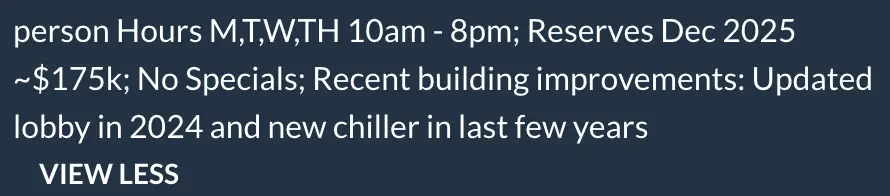
You also have to take into account the number of units in the building. Buildings with more units usually (or at least should) have higher reserves. A walk up with 6 units won’t have $1 million in reserves because it doesn’t need it.
Need lender recommendations? Reach out today!
How To Find Out A Buildings Reserves
When you buy into a condo or townhome, you are buying into a shared financial responsibility. Even if your unit is perfect, the building’s finances still affect you.
This is why reviewing HOA documents, budgets, and reserves is just as important as reviewing the unit itself.
And that is where your agent comes in! Most of the time this info is not public so a good agent will find out the building reserves either during your tour or beforehand from the listing agent.